Building with Claude
Building with Claude
Practices, guardrails and habits for shipping faster without lowering the bar.
How this series works
Four short sessions. Each one ends with something you can use the same day.
Guardrails and mindset
Everyone, 45 min
What never goes into a prompt, and who owns the output.
The Claude Code workflow
Engineers and QA, 60 min, hands-on
Plan, build, test and review with Claude on a real repo.
Beyond code
Everyone, 45 min
Deciding what to build, plus chat and Cowork for specs, docs and analysis.
Multiply what works
Everyone, 30 min, then every two weeks
Share, turn mistakes into rules, and measure progress.
Guardrails and mindset
Everyone, 45 minutes
- Where we are today
- You are the engineer of record
- AI amplifies your process
- Data, secrets and tenant isolation
- Merging is accountability
Where we are today
My team's Claude usage in one month.
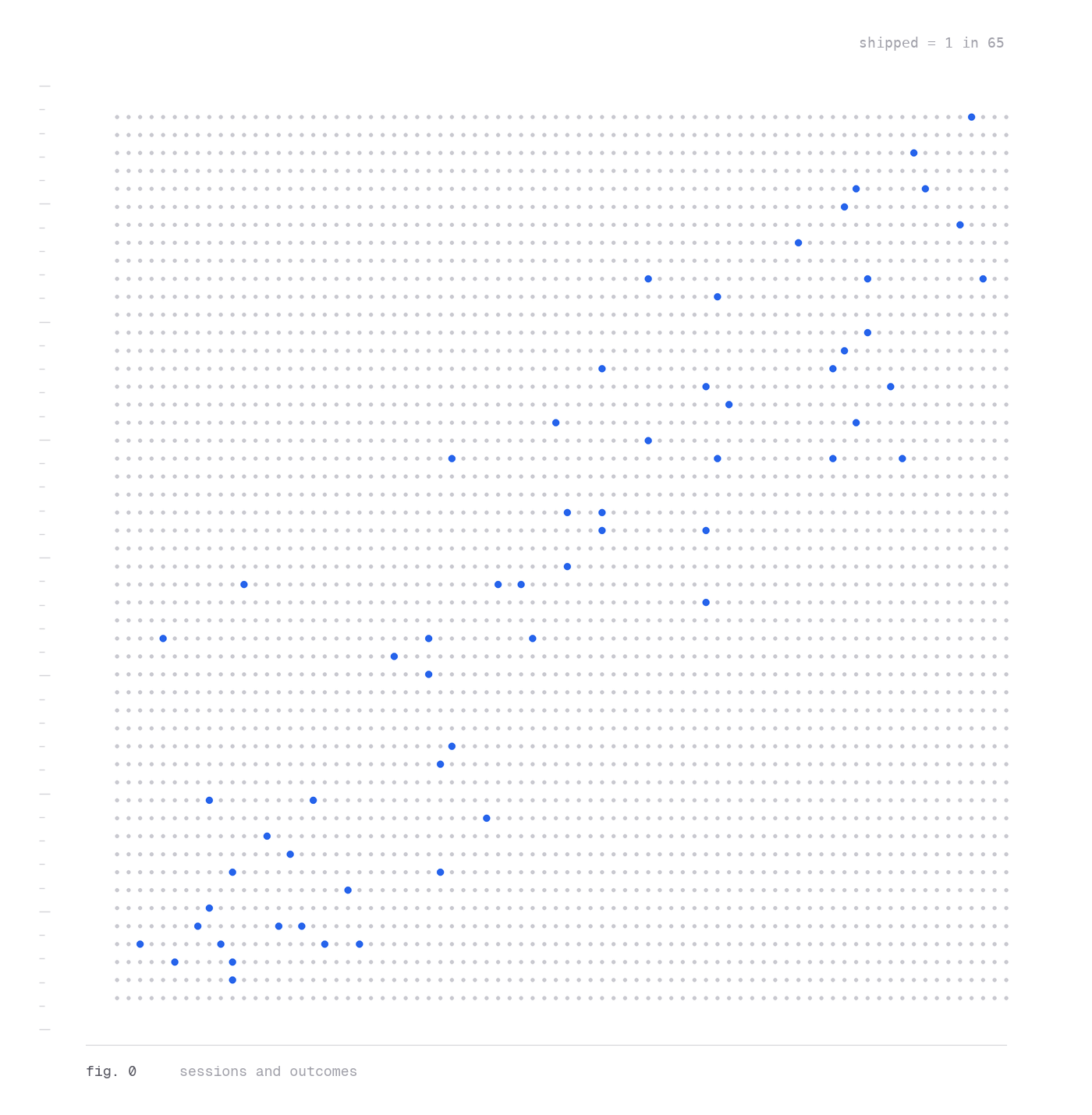
We use Claude a lot. The gap is turning sessions into reviewed, shipped changes, and using it beyond code.
Claude drafts. You are the engineer of record.
It lacks our context
It doesn't know our tenants, clients or history unless you tell it.
It can be confidently wrong
Especially about methods and APIs that look plausible but don't exist.
No review defence
"Claude wrote it" never explains a bug in your PR.
AI amplifies whatever process you already have
- Speed isn't free. If you ship faster, you also need to catch problems faster.
- The fix is better structure and clearer constraints, not more AI.
- That's why the rest of this series is about process, not prompts.
Describe the shape of the data, never the data
- Client or tenant data, including exports and screenshots
- Credentials, API keys, tokens, .env files
- Personal data about customers or colleagues
- Production dumps and query results
- Contracts and commercial terms
Here's last week's sales export for the client.
Why is sell-through wrong? [pastes 2,000 rows]
Here's the schema of the sales table (column names
and types) and 5 synthetic rows. Sell-through comes
out above 100% for some styles. Write a query to
find the rows that cause it and explain likely causes.
Tenant isolation is a hard constraint
def get_stock(tenant_id: str, style_id: str):
    if not tenant_id:
        raise TenantContextMissing(
            "tenant_id is required"
        )
    return stock_repo.find(
        tenant_id=tenant_id,
        style_id=style_id,
    )
Ask Claude: "List every data path this change touches and show where each one is scoped to a tenant."
Merging is accountability, not automation.
Explain every line
Never merge code you can't explain to a reviewer.
Watch for rubber stamps
As speed goes up, review depth tends to go down. Don't let it.
A human approves
Every merge and every deploy is a human decision.
The Claude Code workflow
Engineers and QA, 60 minutes, hands-on
- The work moves to design and review
- The loop: plan, slice, test, review
- CLAUDE.md and our 20 rules
- Code patterns we accept and reject
- Verification and context hygiene
The work moves to design and review
Claude writes code quickly, but it can't fix a bad design. Spend the time you save on the plan and the review.
Illustrative split. Your numbers will vary; the direction won't.
The loop, every time
AI doesn't reduce iterations. It makes each one cheaper, so do more of them. The first output is a draft, never the deliverable.
Step 1: plan before any code
Read src/allocation/ and its tests.
Do not write or edit any code yet.

Propose a plan to add a minimum display
quantity check to allocation:
- files you will change, and why
- functions you will call (open each file
  and confirm it exists)
- tests you will add
- open questions and assumptions

Wait for my approval before implementing.
- Use plan mode, so nothing is edited while you agree on the approach.
- Rule: never propose changes to code you haven't read.
- Challenge the plan. Do we need this table? What happens when this fails? It's cheaper to fix a plan than a diff.
- If the plan touches many files, split the task.
For bigger work, let Claude interview you first
- Instead of writing a spec from scratch, let Claude question you until the gaps are gone.
- Save the spec in the repo. It becomes the brief for implementation and an example for the next feature.
- Break the plan into thin vertical slices, each one testable and shippable on its own.
I want to add [feature]. Before writing anything,
interview me. Ask one question at a time about:
users, edge cases, failure modes, tenant
boundaries and what's out of scope.

When you have enough, write a spec with:
goal, non-goals, API shape, data changes,
tests, and open questions.

Then split it into small slices, each one
shippable and testable on its own.
CLAUDE.md: our standards in every repo
- Claude reads it at the start of every session, so everyone's Claude follows the same rules.
- Keep it short and specific to the project: commands, rules, definition of done.
- Every time you repeat an instruction, add it here instead.
- Commit it, and review changes to it like code.
# CLAUDE.md
## Commands
Tests: pytest -q        UI: pnpm test

## Non-negotiable
- Every query is tenant-scoped. No cross-tenant paths.
- Read a file before referencing anything in it.
- Smallest change that solves the task.
  Don't touch unrelated code. Flag it instead.
- Tests in the same change. Never edit a test to pass.
- Ask before adding a dependency.
- No magic numbers. Named constants or config.
- Never swallow exceptions. Fail loudly and early.
- Safe to run twice. Log state changes and calls.

## Definition of done
- Tests run locally. Paste the output.
- Docs updated if behaviour changed.
- List every file changed and why.
Our 20 rules, grouped
Write it clearly
- 1Explicitness over cleverness
- 2Boring over clever
- 3DRY: one home for each piece of business logic
- 15No hardcoded values or magic numbers
- 18No dead code, unused imports or unreachable branches
Structure it well
- 4Changes don't ripple across layers
- 5Side effects at the edges, pure business logic
- 10Can't test it in isolation? Fix the structure
- 16Smallest change that solves the problem
- 17Public interfaces stay backward compatible
Keep it safe
- 6Fail loudly, fail early
- 8Tenant isolation is a hard constraint
- 14Never assume a method, field or service exists
- 19Idempotent by default
- 20Log state changes and external calls
Ship it properly
- 7Don't assume, prove it
- 9Tests aren't optional under deadlines
- 11Local testing before every PR
- 12Docs are part of the work
- 13Don't change what you weren't asked to
The most common failure: things that don't exist
reserved = inventory_service.get_reserved_qty(
    tenant_id, style_id
)
# get_reserved_qty() was never defined.
# The name was a plausible guess.
Invented methods, fields, config keys and CLI flags read fine in review and fail at runtime.
Before you use any function, class, field
or config key:
1. Open the file where it is defined.
2. Quote its signature in your reply.
3. If it doesn't exist, stop and tell me.
   Don't create it silently.
In review, search the codebase for every new symbol in the diff.
Small slices, and only what was asked
Task: fix rounding in allocate_units()

allocation/core.py   +4  -2    the fix
allocation/core.py   +38 -41   renamed variables
utils/dates.py       +12 -3    unrelated cleanup
pyproject.toml       +1  -1    bumped a dependency
One line of value, three sources of risk, and a diff nobody can review properly.
Change only what's needed to fix this.
If you notice other problems, list them
under "Flagged, not fixed" at the end.
Don't reformat, rename or upgrade
anything else.
Flagged issues become their own tickets. Public interface changes need explicit approval.
Tests that actually prove something
- For a bug, ask for a failing test first, then the fix.
- Every bug fix leaves a regression test behind.
- Never change a test to make it pass. Claude asks before modifying existing tests.
- Check the tests test behaviour, not that a mock returns what the mock was told to.
- Claude shows the test output. "Tests pass" without output doesn't count.
def test_reorder_qty_is_never_negative():
    assert reorder_qty(on_hand=50, target=30) == 0


def test_on_hand_is_tenant_scoped(repo):
    repo.seed(tenant_id="t1", style_id="S1", on_hand=5)
    repo.seed(tenant_id="t2", style_id="S1", on_hand=500)

    assert get_on_hand(
        repo, tenant_id="t1", style_id="S1"
    ) == 5
Fail loudly. Don't let Claude hide errors.
try:
    plan = load_plan(tenant_id, plan_id)
except Exception:
    plan = {}  # carry on with empty plan
AI often adds broad try/except blocks to look robust. The result is wrong output and no error.
plan = load_plan(tenant_id, plan_id)
if plan is None:
    raise PlanNotFound(
        f"plan {plan_id} not found "
        f"for tenant {tenant_id}"
    )
Catch only what you can handle. Never return a default just to keep going.
Pure core, I/O at the edges
- Business logic takes values and returns values. Easy to test, no mocks.
- Thresholds come from config, not literals.
- Writes use upserts or keys, so a retry doesn't double-apply.
- State changes and external calls are logged with tenant context.
# Pure: no I/O, no hidden state
def compute_replenishment(stock, policy) -> int:
    target = policy.target_cover_days * stock.daily_rate
    return max(target - stock.on_hand, 0)


# Edge: reads, logs, writes
def run_replenishment(tenant_id, style_id) -> None:
    stock = stock_repo.get(tenant_id, style_id)
    policy = policy_repo.get(tenant_id)
    qty = compute_replenishment(stock, policy)
    logger.info("replenishment computed", extra={
        "tenant_id": tenant_id, "qty": qty,
    })
    order_repo.upsert(tenant_id, style_id, qty)
Separate writing from checking
The session that wrote the code is the worst one to review it. Review in a fresh context, one lens at a time.
Writer session
Plans and implements one slice. Runs the tests.
Reviewer session, fresh context
Reads the diff cold and reports issues with severity and location.
Review this diff as a senior engineer on this team. Check, in order: correctness, tenant isolation,
security, performance, simplicity. For each issue give severity, file and line, and a suggested fix.
Keep the context clean
- One task per session. Clear the context when you switch.
- Clear between planning and building. The plan file carries over, the noise doesn't.
- Two failed attempts? Stop, re-plan or narrow the task.
- Read every command before approving it, especially migrations, force-push, deletes and CI changes.
The difference is discipline, not tooling
Before you raise the PR
- I can explain every line in this diff.
- Every new method, field and config key exists. I checked.
- Every data path is tenant-scoped.
- Tests were added and I saw them pass locally.
- Only the requested change is in the diff.
- No swallowed exceptions, magic numbers or dead code.
- Public interfaces are backward compatible, or the break is approved.
- Re-running the operation is safe.
- State changes and external calls are logged.
- Docs and the PR description are updated: why, how tested, risks, revert plan.
Beyond code
Everyone, 45 minutes
- Build the right thing first
- Simple, boring, proven
- Chat and Cowork in daily work
- QA with Claude Code
Building got cheap. Deciding what to build didn't.
- When anyone can generate code, features alone don't stand out. Knowing what to build and why does.
- Ask "Why are we building this?" before the first prompt.
- First build the right thing. Then build it right.
Pragmatic beats theoretically perfect
What's the simplest thing we could ship?
Ship that. Optimise after it's delivered and used, not before.
Proven over shiny
Claude makes adding a new library easy. That doesn't make it a good idea.
A PoC now takes hours
Use one to test feasibility before you promise a date or a design.
Every decision is a trade-off. Bring the business the pros and cons in their language, not a flat yes or no.
Chat and Cowork in daily work
Same data rules apply: redact first, and treat every output as a draft.
Design docs and ADRs
"Turn these notes into an ADR: context, options, decision, consequences. List what's missing."
Spec review
"Find gaps, edge cases and conflicting requirements. Ask me questions instead of assuming."
Ticket breakdown
"Split this spec into tickets with acceptance criteria, boundaries and test cases."
Log and incident analysis
"From these redacted logs, build a timeline and the most likely causes, ranked."
Test plans
"From this spec, write a test plan: happy path, boundaries, failures, tenant isolation."
PR descriptions
"From this diff, write a PR description: why, how it was tested, risks, revert plan."
QA with Claude Code
- Automation lives in the same repos, under the same review rules as production code.
- Synthetic data only. Fixtures come from factories, never from client exports.
- Every feature gets a tenant isolation test as standard.
- Every bug report comes with a failing test that reproduces it.
- An AI first-look review on each PR catches the basics: committed secrets, missing tests, unlinked tickets.
From this spec, write test cases for
allocation caps:
- happy path
- boundaries: 0, max, max + 1
- invalid and missing input
- one test proving tenant A cannot
  read or change tenant B's data

Use only synthetic data from
tests/factories.py.
Run the suite and show me the output.
Multiply what works
Everyone, 30 minutes, then every two weeks
- Why multiplying beats heroics
- Turn mistakes into rules
- Share in the open
- Measure what matters
- Do and don't
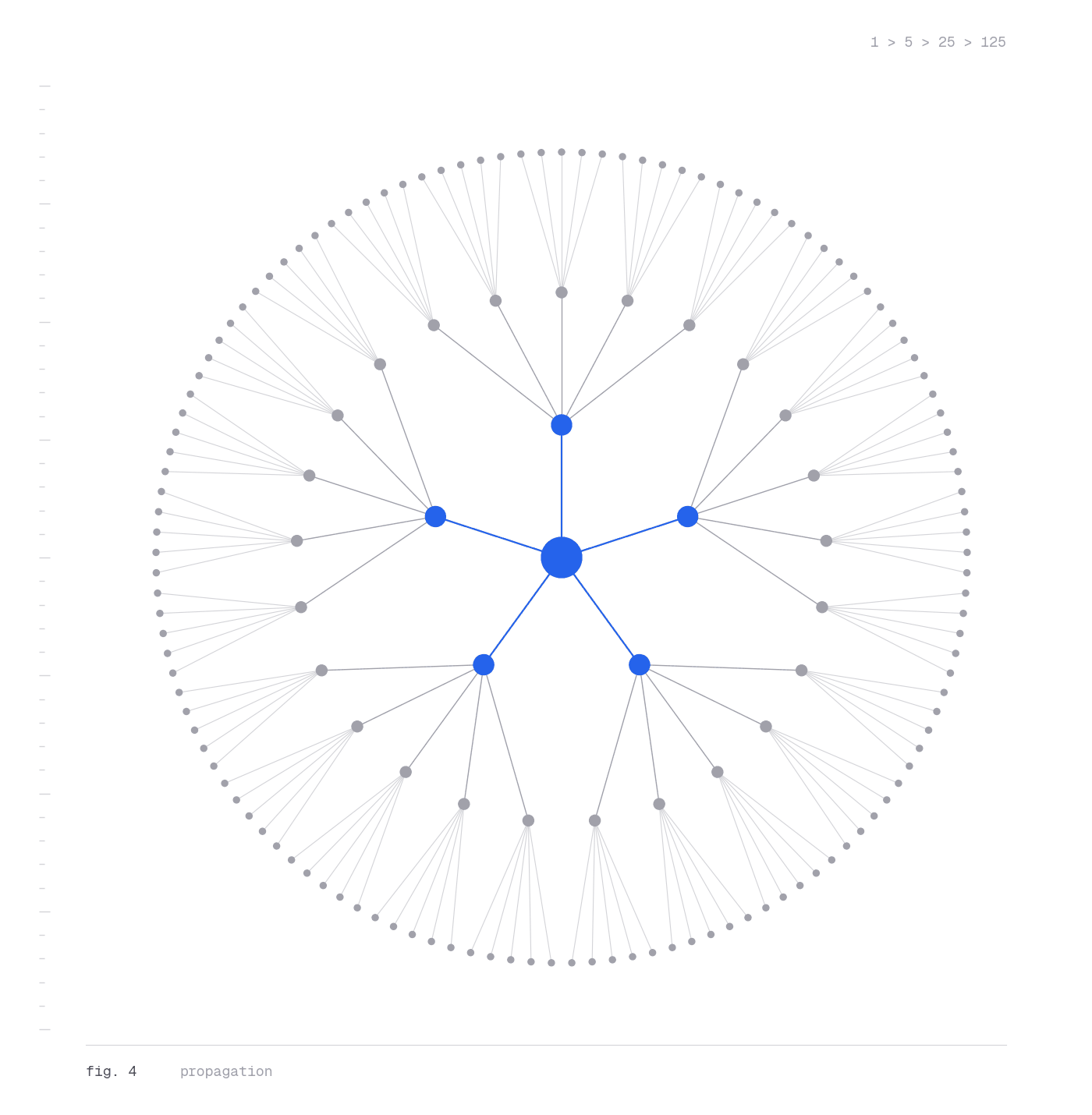
Make five people 20% better
Your best workflow is worth more shared than kept. That goes for prompts, CLAUDE.md lines and review habits.
Turn every mistake into a rule
- No blame. An AI-introduced bug passed through a prompt, a review and our tests. Fix the step that let it through.
- Give feedback on mistakes privately. Share the lesson publicly.
- Each encoded rule means one less thing a human has to catch.
Create a space and seed it
Don't wait for someone to assign it. Start sharing useful things and let it compound.
Team AI channel
Post one prompt, skill or workflow that saved you time this week.
Show-and-tell
15 minutes. One person, one real workflow, one lesson.
Shared library
Reusable prompts, review workflows and CLAUDE.md snippets in one repo.
Don't just flag a problem. Bring the data, the cost, and an offer to help fix it.
Measure what matters, then work from red
Each metric gets thresholds we agree as a team. Every month we review the trend and start with whatever is red.
| Metric | What it tells us | Thresholds |
|---|---|---|
| Sessions that end in a merged PR | Are we shipping, or just exploring? | |
| People using more than one surface | Is Claude helping beyond code? | |
| Regression tests per bug fix | Are we learning from mistakes? | |
| Review comments on AI-introduced issues | Is our process catching problems early? | |
| Rules added to CLAUDE.md | Are lessons being encoded? |
Do and don't
Do
- Plan first and keep slices small
- Write tests with the code and run them locally
- Review in a fresh context before the PR
- Scope every query to a tenant
- Encode every repeated instruction
- Share what works
Don't
- Paste client data, secrets or personal data
- Ship the first output or code you can't explain
- Let it change things you didn't ask for
- Accept methods or fields you haven't verified
- Change a test to make it pass
- Blame a person for a process gap
This week
Add CLAUDE.md
To every repo you own, starting from the template in Part 2.
Plan first
Use the plan-first prompt on your next task, then review in a fresh session.
Share one thing
Post one prompt or workflow that worked in the team channel.
Credit to the Engineering Leadership newsletter, whose writing on AI-assisted engineering, pragmatic engineering and multiplier leadership informed much of this series.